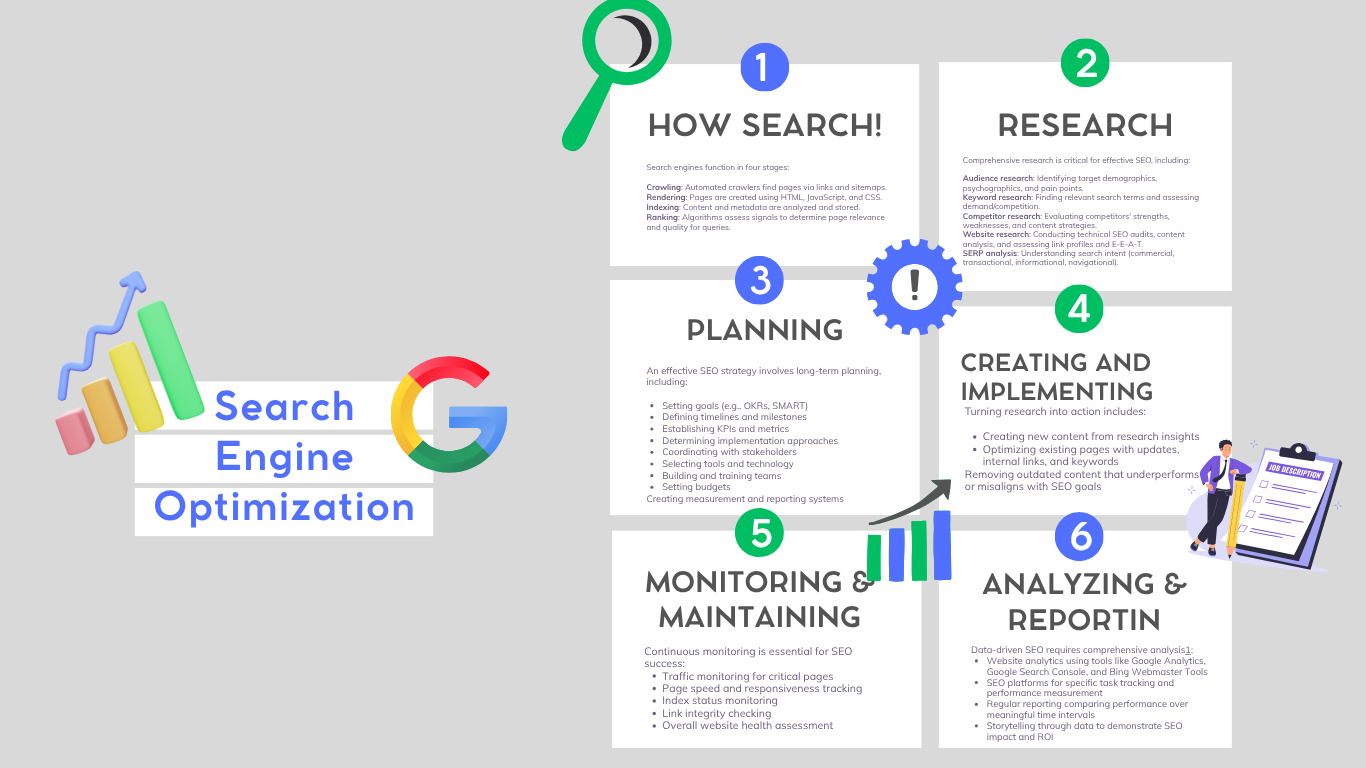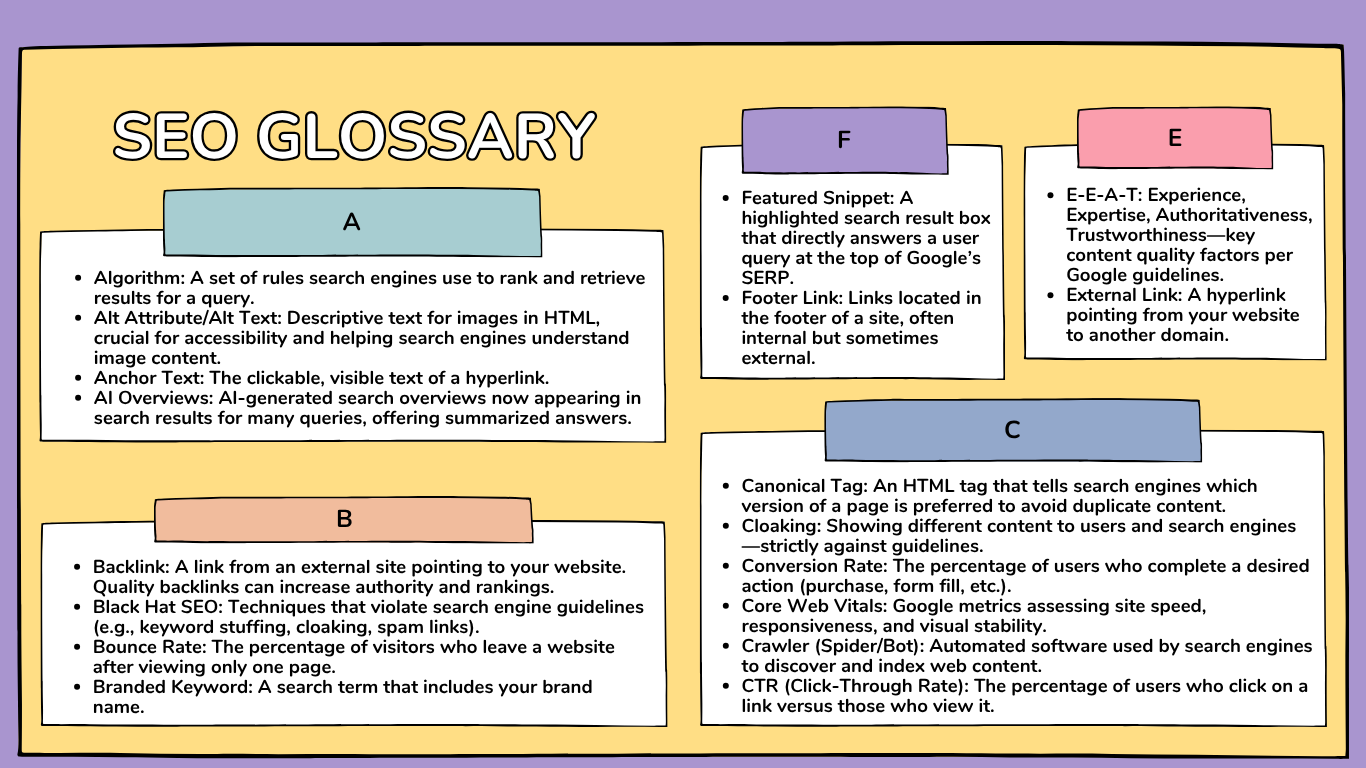
Explore how voice search is transforming the e-commerce landscape, driving customer engagement, and boosting sales. Learn optimization strategies for voice reorders, enhancing user experience, and staying ahead of the curve. Dive into the world of Voice Commerce with Digits Marketer!
Key Topics Covered in This Article:
- The growing importance of voice search in e-commerce.
- Optimizing your website for voice search.
- The concept and benefits of voice reorders and how to optimize them.
- Key challenges and opportunities in voice commerce.
- Real-world examples of successful voice commerce implementations.
The Rise of Voice Search in E-commerce
Voice Search for E-commerce has rapidly evolved from a futuristic concept to a mainstream shopping method, reshaping how consumers discover and buy products online. The convenience of voice assistants, like Siri, Alexa, and Google Assistant, has made shopping hands-free and accessible. The ability to shop using voice commands is changing consumer habits. E-commerce businesses must understand and adapt to voice-driven interactions. Voice commerce adoption statistics.
The growing popularity is not just a trend; it’s a fundamental shift in user behavior. Consider these facts:
- Millions of smart speakers and voice-enabled devices are now in households globally, according to a report by Statista.
- Customers are increasingly comfortable using voice to search for products and make purchases.
- Voice search offers a more natural, conversational shopping experience than traditional methods.
This change presents both exciting possibilities and challenges for e-commerce, offering new ways to interact with customers. Businesses that embrace voice search are likely to gain a competitive advantage.

Optimizing Your E-commerce Site for Voice Search
Optimizing your e-commerce platform for voice search is critical to capture this growing market. It extends beyond simple keyword optimization. It requires a multifaceted approach covering content, technical, and consumer experience perspectives.
Keyword Strategies for Voice SEO
Traditional keyword research focuses on short keywords. However, voice search often uses long-tail and conversational keywords. The goal is to address how users speak naturally.
- Conduct Conversational Keyword Research: Use tools that identify question-based queries and phrases.
- Analyze Competitor Keywords: See what keywords your competitors target for voice search.
- Integrate Keywords Naturally: Add long-tail keywords into product descriptions and content.
Here’s a comparison table to illustrate the difference:
| Traditional Keywords | Voice Search Keywords |
|---|---|
| Running Shoes | Best running shoes for women |
| Red Dress | Where can I buy a red dress? |
| Coffee Maker | Alexa, buy me a coffee maker. |
Enhancing Content for Voice Search
Clear, concise, easy-to-understand content helps voice assistants retrieve relevant information. Structure your content around user questions.
- Structured Data Markup: Use schema markup to provide context to search engines.
- Create FAQ Pages: Answer common questions. This improves your visibility.
- Optimize Product Descriptions: Mention features, benefits, and special attributes that users might ask about.
structured data best practices for search engines. Consider the example below;
Technical SEO for Voice Search
Technical SEO plays a vital role in your voice search strategy by ensuring your website is accessible to voice assistants.
- Mobile-First Design: Make sure your site is mobile-friendly and responsive.
- Fast Page Speed: Optimize your site speed to provide a good user experience.
- Local SEO: If you are a local business, enhance your local search presence with accurate NAP (Name, Address, Phone Number) information.

Strategies to Optimize for Voice Reorders
Voice Reorders offer a convenient way for customers to repurchase previously bought products. Implementing this feature can enhance customer loyalty and increase sales. Optimizing your e-commerce platform for voice reorders involves several strategic areas:
- Payment Integration: Ensure secure payment processing.
- Personalized Recommendations: Enhance the shopping experience through product recommendations.
- Voice Assistant Integration: Work with voice assistants to build a seamless experience.
Voice Command Optimization
Streamline the reordering process with effective voice commands. Create simple and intuitive voice commands to reduce friction for repeated purchases.
- Use Clear Phrases: Favor straightforward phrases like “reorder item.”
- Support Variations: Cover multiple ways customers might request a reorder.
- Implement Confirmation: Confirm voice commands with users.
Enhancing the User Experience
Good UX is vital for voice reorders. The reordering process shouldn’t be difficult. Focus on the ease of use and instant gratification.
- Purchase History: Clearly display the purchase history.
- Order Tracking: Provide the ease of tracking.
- Customer Support: Make access to customer service easy.
Here is a comparison table that shows the differences between Traditional Ordering vs. Voice Reordering:
| Traditional Ordering | Voice Reordering |
|---|---|
| Manual search for product | Voice command to reorder |
| Multiple steps to purchase | Single step process |
| Less Personal | Highly Personalized |
Ready to boost your sales with seamless voice reorders? Contact us to transform your e-commerce strategy!
The Role of Agentic Commerce Protocol (ACP) in Voice Search
The Agentic Commerce Protocol (ACP) from Digits Marketer is specifically designed to enhance voice search capabilities. This advanced protocol aims to simplify and improve the efficiency of voice-based transactions. ACP integrates seamlessly with voice assistants, providing customers easy access to information and a streamlined, secure shopping experience.
How ACP Enhances Voice Search
- Enhanced Natural Language Processing (NLP): ACP uses NLP algorithms to recognize and understand user questions and intents. This delivers accurate search results and customized product recommendations.
- Seamless Shopping: ACP streamlines the shopping experience, allowing users to make purchases with minimal effort. This system simplifies the reordering of products.
- Optimized Customer Experience: ACP provides users with a dynamic, voice-enabled experience. It offers personalized product suggestions and fast, data-driven order delivery.
By incorporating ACP, e-commerce platforms can vastly improve their capabilities and better cater to the needs of voice search users.

Learn more about how ACP can revolutionize your business: Digits Marketer – Agentic Commerce Protocol.
Real-World Examples of Voice Commerce Success
Many e-commerce brands have already seen results from incorporating voice commerce. These successful examples provide insights on how to create a top-tier voice shopping experience.
1. Product Discovery Reimagined
A major electronics retailer enhanced the user experience by integrating voice search and product discovery. Customers can ask questions like “what are the best noise-canceling headphones?” or “show me 4K TVs”. The retailer’s system uses voice commands to provide recommendations and product specs.
2. Simplified Reordering Experience
A subscription service implemented voice reordering. Subscribers can reorder items with a simple voice command such as Alexa “reorder my coffee”. This simplification improved customer loyalty and boosted recurring revenue.
3. Personalized Shopping via Voice
An online grocer used voice assistance to provide personalized shopping experiences. Customers can say, “Alexa, add my usual items”, and the system creates a purchase order based on past purchases.
These examples illustrate various strategies for integrating voice search into e-commerce. Success comes from understanding customer needs and focusing on user experience. E-commerce businesses should explore voice commerce opportunities.
If you’re ready to revolutionize your e-commerce strategies with voice search, contact ustoday!
Future Trends and The Challenges of Voice Commerce
The future of voice search is promising. The evolution of voice technology will create an impact on e-commerce.
- AI-Powered Personalization: AI algorithms will offer users more personalized product recommendations.
- Augmented Reality Integration: AR tools will allow users to ‘try’ products.
- Voice-Driven Smart Home Shopping: Voice-activated orders will become common, integrating with smart home.
The e-commerce landscape is changing, and voice commerce is a major factor.
Challenges in Voice Commerce
Despite its potential, voice commerce has challenges that e-commerce businesses need to navigate:
- Natural Language Processing (NLP): Voice assistants must understand variations in customer speech.
- Security and Trust: Secure transaction methods are critical to build buyer trust.
- Product Discovery: Improving the discovery of products on voice platforms.
Overcoming these challenges will be vital for success.

The next phase of Voice Commerce will see advancements in AI, AR, and a focus on personalized user experiences.
For more insights on future trends in the e-commerce sector, visit Digits Marketer.
Q&A: Frequently Asked Questions about Voice Search and E-commerce
1. What is voice search in E-commerce and why is it important?
Voice search in e-commerce refers to the use of voice commands and voice assistants to discover and purchase products online. It’s important because it caters to the ever-changing demands of a digital consumer. Voice search allows hands-free shopping, offering a convenient, accessible experience. Voice-driven shopping integrates well with smart devices and helps companies reach new customers. It provides a more natural, conversational method for interacting with digital tools, improving user satisfaction and boosting shopping.
2. How does voice search impact customer experience in e-commerce?
Voice search significantly enhances the client experience in e-commerce. It allows for fast, hands-free product searching and purchasing, a seamless process that decreases purchasing friction. Personalization in voice search is key, as voice assistants recommend items based on past buying history and preferences, which fosters tailored shopping experiences. This results in customer satisfaction and drives repeat business. The simple reordering of frequently bought products also supports a smooth user journey.
3. What are voice reorders, and how do they benefit e-commerce businesses?
Voice reorders allow customers to repurchase products quickly using a simple voice command when coupled with a voice assistant such as Alexa or Google Assistant. It boosts customer convenience and satisfaction by simplifying the reordering process. Businesses gain from voice reorders by enhancing customer loyalty, making repeat purchases easier, and improving conversion rates. In addition, voice reorders provide valuable data insights from a customers behavior, assisting in targeted advertising, and marketing strategies.
4. How can e-commerce businesses implement voice search on their websites?
Implementing voice search on e-commerce websites requires a strategic, multifaceted approach. Keyword research should center on long-tail, conversational keywords that fit natural speech patterns. Websites need to incorporate schema markup, with structured data to assist search engines in properly grasping the content. Tech SEO must focus on a quick, mobile-first design, guaranteeing the website is accessible and functional on all devices. Voice search integration is also essential to ensure compatibility that enables users to purchase smoothly through voice commands.
5. How do I optimize for voice reorders?
Optimizing for voice reorders involves improving the process through precise voice commands, integration features, and customer experience. First, build simple, intuitive voice commands (e.g., “reorder my usual products”). Ensure the website stores and provides the order history and enables customers to manage their purchase history with ease. Prioritized personalizing the experience, using previous information to recommend products. Streamline the payment and the delivery, and consider customer support accessibility for quick resolving concerns. Make the reordering process fast, practical, and individualized to encourage repeat customers.
6. What are the main challenges of voice search in e-commerce?
Voice search in e-commerce does face several hurdles. The primary challenge is the correct processing of natural languages to interpret the user’s demands. Accurate voice recognition and context interpretation are essential for providing relevant product results. It’s difficult to manage the discovery and selection of products in a voice-first environment. Customers expect data security for smooth transactions, along with providing privacy policies compliance, this helps to develop trust. Adapting to the constant change in consumer needs also must be considered. Meeting these challenges requires advanced technology adoption and an efficient customer-oriented plan.
7. How does the Agentic Commerce Protocol (ACP) improve voice search in e-commerce?
The Agentic Commerce Protocol (ACP) enhances voice search in e-commerce through the Natural Language Processing (NLP) capabilities, streamlined transactions, and improved customer experience. ACP technology knows and responds to the customer, providing the most relevant and tailored product recommendations. ACP increases the efficiency of purchases and reorders. In general, ACP creates a more engaging, safe, and interactive experience, growing the effectiveness of voice commerce platforms, and improving customer satisfaction.
Conclusion
Voice Search for E-commerce is changing the shopping landscape, and businesses must embrace these changes. Strategies in this article can help you to stay ahead of the curve. By optimizing your website for voice, and implementing voice reorder functionality, e-commerce businesses can improve customer experience and drive sales. Digital marketing and e-commerce require adapting to new technologies. Are you ready to dive into the future of e-commerce?
Ready to revolutionize your e-commerce strategies with voice search? Contact us to transform your e-commerce strategy!
Author: Author’s Name Organization: Digits Marketer Map Link: https://digitsmarketer.com
Voice Search for E-commerce, voice commerce, optimize for voice, voice reorders, e-commerce SEO, digital marketing, online shopping, SEO strategies, voice assistants, ecommerce trends