
AEO Audit: Your Own Domain Is the Cheapest Test You Will Ever Run
An afternoon, three browser tabs and a spreadsheet will tell you whether answer engines name your business, and which sources they read to decide. Run it before you buy anything.
An AEO audit checks whether answer engines name your business when a buyer asks who to use, and which sources they cite when they do. Run it on a domain you own first. It needs three browser tabs, one spreadsheet and an afternoon, and it costs nothing.
Every agency selling answer engine work right now is selling it as a subscription. A dashboard, a tracker, a monthly number that goes up.
You can get the finding that matters in an afternoon, for free, on a domain you control. And you should do it before you buy anything, because the result decides whether there is a job to do at all.
What an AEO audit is, and what it is not
An AEO audit is the answer to two questions, asked in that order.
- When a buyer asks an answer engine the question that starts a purchase in your category, does your business get named?
- What did the engine read to produce that answer?
That is the whole audit. Everything else sold under the name is either tooling around those two questions or a ranking report for keywords that answer engines do not use.
It is not a technical crawl. It is not a schema checklist, although schema helps. It is not a rank tracker with a new label on it. The unit being measured is a named recommendation in a sentence, not a position in a list, and that difference is why the old measurement stack cannot see it.
What is answer engine optimization, in one paragraph
The long version of this argument lives here. The short version: answer engine optimization is the work of making a business legible to systems that answer questions rather than return links. A search engine ranks pages and lets the reader choose. An answer engine reads a set of sources, decides, and hands back three or four names with reasons. The reader usually never sees the sources. So the object being optimised moves: from a page that has to win a click, to a body of public evidence that has to survive being summarised by something that will never show your design, your headline or your ad.
Run the Growth Qualifier before you commission any of this. Two minutes, fifteen questions, and it returns INVEST, FIX FIRST or STOP rather than a proposal.
Why your own domain is the cheapest place to start
Three reasons, and the third is the one people miss.
- You already have the analytics. Referral sessions from answer engines land in GA4 like any other source. You do not need a vendor to tell you a number that is already in your own property.
- You can change the sources. On your own domain you can publish, correct and restructure this week. On a client domain every change is a request.
- A negative result costs you nothing. If the engines do not name you, you have learned that for free, on a business where nobody is billing for the answer. That is the cheapest possible place to discover it.
The uncomfortable version of the same point: an agency that has never run this test on its own domain is selling a service it has not bought. Ask.
The AEO audit, step by step
Set a timer. This takes an afternoon and the output is one sheet.
- Write five buyer questions, in the buyer’s words. Not keywords. Sentences. Include the country, the size of the organisation and the job to be done. “Who should a mid sized manufacturer in Egypt use for export focused B2B SEO” is a question. “SEO agency Egypt” is not.
- Ask each question in ChatGPT, Gemini and Perplexity. Fifteen queries. One tab per engine, one row per query.
- Record every business named, in the order it appears. That list is your real competitive set, and it will not match the one in your strategy deck.
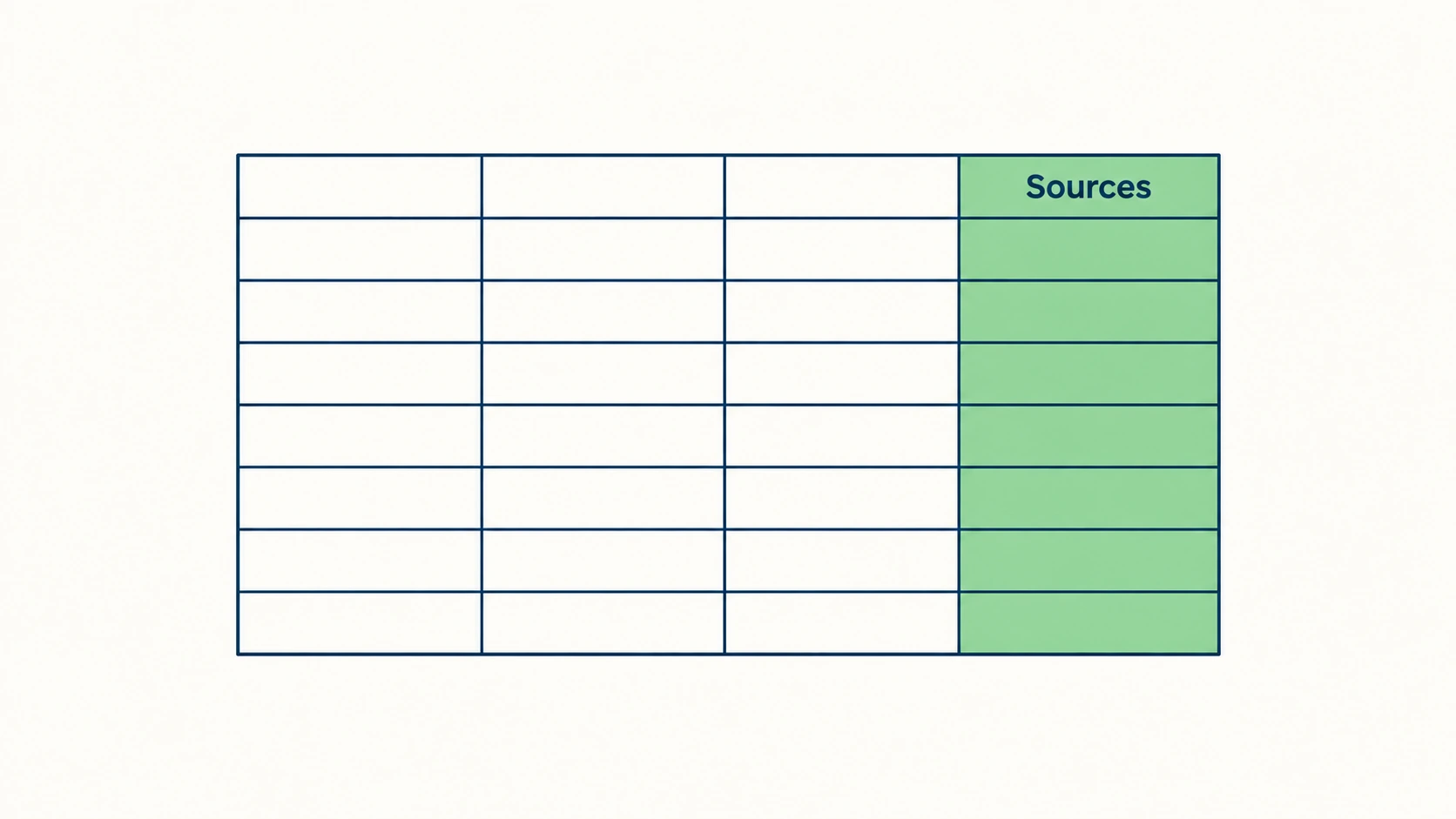
- Record every source cited. Directory, review site, trade publication, forum thread, someone’s blog. This column is the finding.
- Mark whether you appear at all. Named first, named late, named with a hedge, or absent.
- Open GA4 and count referral sessions from answer engine domains for the last ninety days. Write the number down even if it is zero.
The one number that is already measurable
Most of answer engine behaviour leaves no trace. A buyer asks, reads four names, forms a shortlist and never clicks. Nothing appears in any report you own.
But the part that does click is countable today. One client page we run recorded 82 referral sessions from ChatGPT in a single quarter, alongside 2,450 organic clicks and 137,000 impressions at an average position of 4.9. Every figure came from GA4 and Google Search Console, not from a vendor dashboard. The full numbers are on the case study page for that engagement.
Eighty two is deliberately unimpressive. That is the point. It is the visible tip of a behaviour that is mostly invisible, on a domain that was not built for answer engines at all, growing from a base of zero. If the visible tip is eighty two, the part you cannot see is the number worth caring about.
Compare that with what a concentrated organic result looks like when it works: 764 organic clicks in eight weeks with zero paid spend, of which 709 came from a single keyword. Both cases are on the same site, measured the same way. One shows reach, the other shows concentration risk. An honest audit produces both kinds of finding.
Answer engine optimization tools, and when you need one
You do not need a tool to run the first audit. You need one when you need three things a spreadsheet cannot give you: frequency, volume and consistency.
Frequency, because answers change week to week and a quarterly manual run will miss the movement. Volume, because fifteen queries is enough to find your position and not enough to map a category. Consistency, because a human asking the same question twice phrases it differently and destroys the comparison.
So the honest sequence is: run it by hand once, decide whether there is anything worth tracking, then buy a tool to track it. Buying the tool first gives you a dashboard measuring a problem you have not confirmed you have.
Two minutes, and you see the verdict without leaving an email.
What answer engine optimization services should actually deliver
Four deliverables separate real work from a retainer with a new name.
- The query sheet itself, handed to you, with the sources column filled in. If you cannot see which pages the engines trusted, you cannot act on anything.
- A source plan, not a content plan. Which third party sources carry your name today, which ones should, and which of those you can influence. Most of them are not your website.
- Corrections before additions. If the engines describe your business wrongly, publishing more of the wrong description scales the error.
- A stated refusal. A category, a market or a client type the provider will not take. Nobody who says yes to everything has a method.
For a sense of what verified outcomes look like in a hard B2B market, this GCC engagement produced SAR 77,483 of organic revenue with zero ad spend, read from GA4 and Search Console. Different sector, same rule: the number comes from the platform, not from the deck.
How to choose an answer engine optimization agency
Three questions, asked in this order, and they are all about evidence rather than capability.
One. Run my audit live, on this call. Ask them to type your buyer’s question into an engine while you watch, and read the result out loud whether or not you are in it. An agency that will not do this in front of you has either not done it or does not like the answer.
Two. Show me a client’s referral data in their analytics, not a screenshot of a chat. A chat window can be produced. A GA4 property cannot.
Three. What happens if the audit says do nothing? In a lot of businesses the answer engine result is not the constraint. The constraint is upstream, in the offer or the proof, and answer engine work on top of that is spend with no mechanism. A provider who cannot describe a case where they told a client not to buy is describing a product, not a diagnosis.
What to do with a zero
Most businesses running this test for the first time score zero out of fifteen. That is the normal starting position, not a crisis.
A zero tells you something specific and useful: nothing the engines read currently describes what your business does and who it is for. That is a legibility problem and it is fixable, and it is fixable in a different order from a ranking problem. You fix the description first, on sources you control, then you widen.
Here is the test, and it is the whole article in one line. Open a chat window, ask the question your best customer would have asked before they found you, and read the four names that come back.
If your own name is not one of them, your growth problem was never the pipeline.
AEO audit: the questions people ask before they buy one
What is an AEO audit?
An AEO audit is a check on whether answer engines name your business when a buyer asks who to use, and on which sources those engines cite when they answer. It is two questions rather than a technical checklist. Write five questions in a buyer's own words, ask each one in ChatGPT, Gemini and Perplexity, and record every business named and every source cited.
Fifteen queries produces one sheet with three columns that matter: who was named, in what order, and what the engine read to decide. The sources column is the finding, because it tells you which pages carry authority in your category, and in most cases very few of them belong to any of the businesses being recommended.
How much does an AEO audit cost?
The first one costs an afternoon and nothing else. Three browser tabs, a spreadsheet and about three hours is enough to answer whether your business is named at all and what the engines are reading. Paid tools and retainers become useful later, when you need frequency, volume and consistent phrasing that a person running the test by hand cannot reproduce.
Running the free version first is not a shortcut, it is the correct order, because the result decides whether there is a job worth paying for. A provider who wants a subscription before you have seen a single query result is selling tracking for a problem nobody has confirmed you have.
What is answer engine optimization?
Answer engine optimization is the work of making a business legible to systems that answer questions instead of returning links. A search engine ranks pages and lets the reader choose between them. An answer engine reads a set of sources, decides, and returns three or four names with reasons attached. The reader usually never opens the sources.
So the thing being optimised changes: instead of a page that has to win a click against nine others, you are working on a body of public evidence that has to survive being summarised by a system that will never show your design, your headline or your advertising. Structure, clarity and corroboration matter more than persuasion.
Can I measure traffic from answer engines in Google Analytics?
Partly, and the part you can measure is worth recording. Sessions that arrive from a chat interface appear in GA4 as ordinary referral traffic, so you can count them for any period without buying anything. One client page we run recorded 82 ChatGPT referral sessions in a quarter, alongside 2,450 organic clicks and 137,000 impressions at an average position of 4.9, all read from GA4 and Search Console.
What analytics cannot show is the larger group who asked a question, read four names, formed a shortlist and never clicked at all. That invisible group is why the manual query test exists, and why a referral count on its own understates the effect.
Do I need answer engine optimization tools to start?
No, and buying one first is usually the wrong sequence. Run the fifteen query audit by hand, decide whether anything worth tracking turned up, then buy a tool to track it.
Tools earn their place on three things a spreadsheet cannot do: frequency, because answers change week to week and a quarterly manual run misses the movement; volume, because fifteen queries locates your position but does not map a category; and consistency, because a person asking the same question twice will phrase it differently and quietly destroy the comparison. Those are real problems, but they are the second problem. The first problem is finding out whether you are named at all.
What should answer engine optimization services include?
Four things, and a provider who cannot produce all four is selling a retainer with a new label. First, the query sheet itself, handed over with the sources column filled in, because a result you cannot inspect is not evidence. Second, a source plan rather than a content plan, naming which third party sources carry your business today, which ones should, and which of them you can realistically influence.
Third, corrections before additions, because publishing more material in a description the engines already have wrong simply scales the error. Fourth, a stated refusal: a market, category or client type the provider will not take on. A provider who says yes to everything has no method.
How do I choose an answer engine optimization agency?
Ask three questions in order. Run my audit live on this call, typing my buyer's question into an engine while I watch and reading the result out loud whether or not I am in it. Show me a client's referral data inside their analytics rather than a screenshot of a chat window, because a chat window can be produced and a GA4 property cannot.
And tell me what happens if the audit says do nothing. In many businesses the answer engine result is not the constraint at all, and the real problem sits upstream in the offer or the proof. An agency that cannot describe a case where it told a client not to buy is describing a product.
My business was not named at all. Is that bad?
It is common and it is a starting position rather than a crisis. Most businesses running this test for the first time score zero out of fifteen. What a zero tells you is specific: nothing the engines currently read describes what your business does and who it is for.
That is a legibility problem, and legibility is fixed in a different order from rankings. Correct the description first, on the sources you control, then widen to the third party sources that carry your name, then add volume. Adding volume first is the expensive mistake, because more material written in a description the engines have already misread makes the misreading harder to undo.
Does the Engine Name Your Business?
Fifteen questions, about two minutes, and a verdict rather than a proposal. No email needed to see your result.